

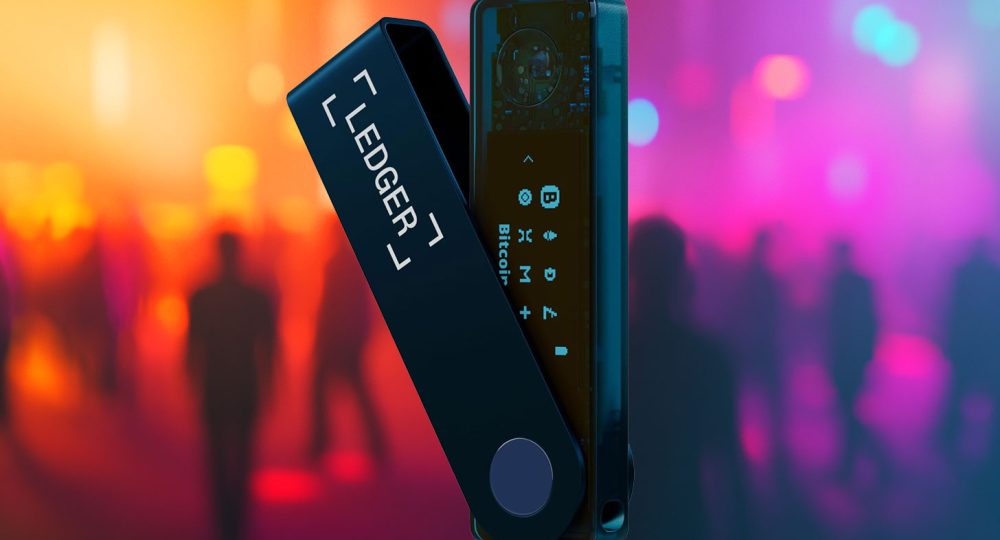
I’ve lived in New York long enough to know that if you’re not paying attention, you’ll get taken for a ride—whether it’s an overpriced cocktail or a supposedly “secure” crypto wallet that’s anything but. So when I got my hands on the Ledger Nano X, I was ready to put it through the wringer. With the rise of crypto scams and exchange hacks, a solid hardware wallet isn’t just a luxury anymore; it’s survival. Ledger has been one of the biggest names in cold storage, and the Nano X is supposed to be its top-tier option. But does it actually deliver?
First Impressions: Solid, But Not Invincible
Straight out of the box, the Nano X feels premium. It’s got a sleek, brushed steel finish with a rubberized grip—definitely not something that looks like it’s going to fall apart after a few uses. It’s about the size of a USB stick, but heavier than you’d expect. That weight? It’s reassuring. The device has a tiny OLED screen and two physical buttons, which you’ll use to navigate. Simple enough.
Setting it up took me around 15 minutes, most of which was spent writing down my 24-word recovery phrase—which, by the way, is the only way to recover your crypto if this thing ever gets lost or stolen. Lose that phrase? You’re out of luck. (And no, Ledger won’t help you.)
Pairing it with the Ledger Live app (available on desktop and mobile) was also pretty seamless, thanks to Bluetooth support, which is one of the biggest selling points over the cheaper Ledger Nano S Plus. No need to fumble with cables just to make a transaction.
Security: A Lot of Trust in Ledger’s Hands
Ledger is all about security, and the Nano X runs on a CC EAL5+ certified secure chip, the same kind used in passports and credit cards. It supports over 5,500 cryptocurrencies and works with third-party wallets like MetaMask.
But let’s talk about the elephant in the room—Ledger’s controversial “Recover” feature that (briefly) made headlines in 2023. Ledger had introduced an opt-in service that could back up your seed phrase, but it raised concerns about whether they had the ability to access private keys in the first place. They’ve since walked back some of that functionality, but the trust damage was done. That’s not to say the Nano X isn’t secure—it still has a strong track record—but if you’re paranoid about centralization, Trezor or Coldcard might feel like safer alternatives.
User Experience: Smooth, With Some Limits
Once set up, using the Nano X is easy—transactions are confirmed by physically pressing the buttons on the device, which prevents remote hacks. Bluetooth makes it more convenient than traditional hardware wallets, but some hardcore security enthusiasts don’t love the idea of wireless connectivity at all. If that’s you, you can always use a USB-C cable instead.
The Ledger Live app is where all the magic happens. It lets you manage your assets, stake crypto, and even buy or swap coins directly. But don’t get too excited—it doesn’t support every altcoin for direct management. You’ll need third-party apps for coins like Monero (XMR) or Tezos (XTZ), which can be a hassle.
A standout feature? The ability to hold up to 100 apps at a time—a big upgrade from the Nano S Plus, which maxes out at around 6-8 before you’re forced to start uninstalling and reinstalling.
Price: Not Cheap, But Worth It?
At $149, the Ledger Nano X isn’t cheap, especially when the Nano S Plus costs only $79 and offers almost all the same functionality, minus Bluetooth. If you don’t mind being tethered to a cable, the cheaper model might be the better value.
Final Verdict: A Great Wallet, With Some Caveats
The Ledger Nano X is one of the best hardware wallets out there, especially if you want Bluetooth support and an intuitive experience. It’s well-built, highly secure, and convenient for managing multiple crypto assets. But the brand’s recent controversies and the price tag might make some users hesitate. If you’re looking for ease of use and broad crypto support, this is a solid pick. But if privacy and full decentralization are your top priorities, you might want to explore alternatives.
Would I trust my crypto with it?
For now, yes—but I’m watching Ledger like a hawk.